We help
businesses
put AI to work.

Bloomit Labs deploys AI agents across revenue operations.
What we build
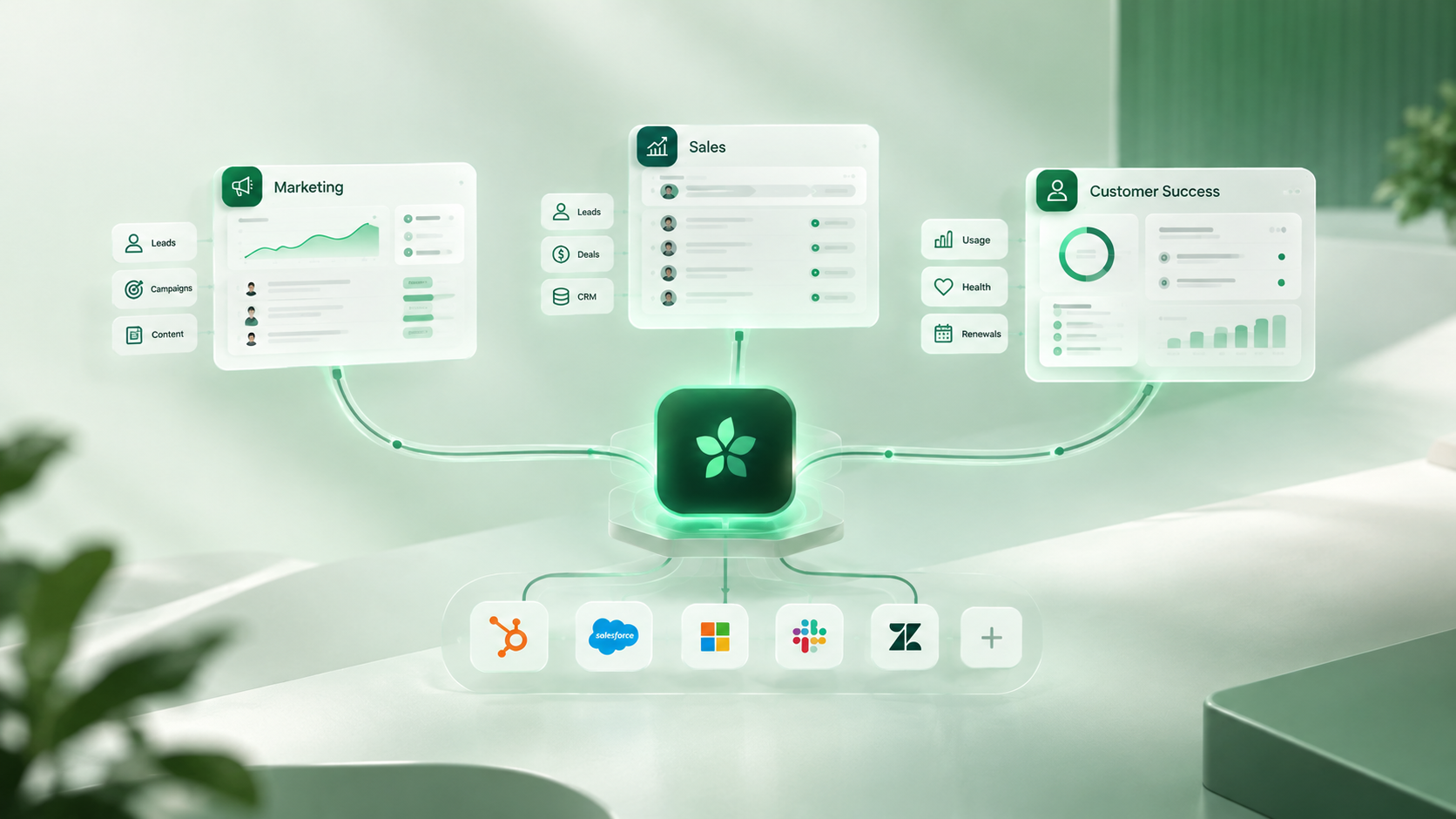
Marketing, sales, and customer success connected through one agent hub

IF → THEN

A lead arrives in the tools you already use. Marketing scores it, sales gets the record, and customer success watches the account. A person steps in when judgment is required.

The loop

  1. 01

    Lead scored

  2. 02

    Routed to sales

  3. 03

    CRM updated

  4. 04

    Renewal watched

  5. 05

    Human if needed

Follow-ups are missed, warm leads go cold, and renewals stall. That is where we start.

Marketing, sales, customer success

The pain, the fix, and what you get back.

Each function has its own problem, its own fix, and a result you can check. The stalled work is different in each, so the agent is too.
01

Marketing

The pain

Warm leads cool in a queue. Sales says they were bad. You say nobody called. Nurture keeps writing to someone a rep is already in a thread with, and you still cannot point to which campaign created revenue.

How we solve it

We sit with the people who create demand. Scoring and routing run in the marketing platform you already pay for. Nurture stops when a rep owns the thread. Closed revenue shows which assets actually contributed.

The return

Leads reach a rep while they are still warm, so they do not cool off in a queue. You can name the campaigns that created the pipeline. You stop spending on threads that sales already owns.
02

Sales

The pain

Reps spend the afternoon typing what already happened. Follow-up slips. A deal goes quiet and the forecast still looks fine until the quarter is gone.

How we solve it

We sit with the people who sell. An agent updates the CRM from emails and calls. The next step is assigned to the owner. A deal that goes quiet is flagged while there is still time to act.

The return

Hours spent on CRM admin go back to live deals. Follow-up goes out the same day, so it does not slip. The forecast updates when a buyer goes silent, before the last week of the quarter.

03

Customer success

The pain

Health lives in a spreadsheet. Usage dropped weeks ago. The renewal conversation opens when a discount is already the only move left, and onboarding starts late after the signature.

How we solve it

We sit with the people who keep the account. Health comes from usage, tickets, and the contract date. A save or expand play opens early. Onboarding starts when the deal is signed.

The return

Renewals start with time left to act, so more accounts are saved or expanded. Time to value shortens because onboarding begins the day the contract is signed.

The path

From the meeting to a live agent.

We start with one process and the person who runs it. We prove it works before we take on another.
01

Name the process

We name one process, who owns it, and a number you already track.
02

Sit with the owner

We consult the team that does the work, including the exceptions. This is not a template.
03

Put it in their tools

It runs in the marketing platform, the CRM, or the success system. No new login.
04

Prove it on real work

We prove it on live leads, deals, or renewals — not a demo.
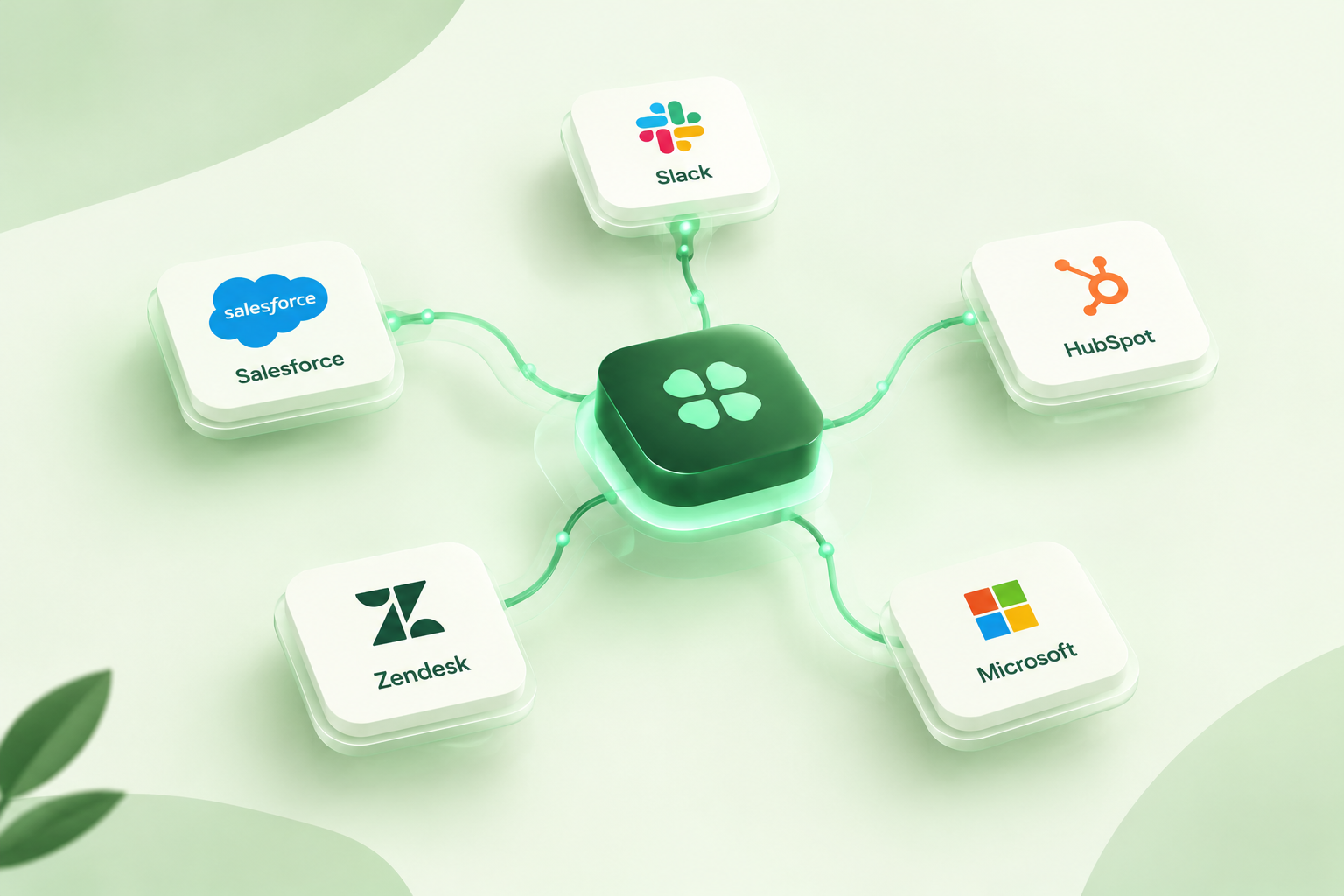
Slack, Salesforce, HubSpot, Zendesk, and Microsoft connected to one hub

Your tools

We work in the tools you already use.

The marketing platform, the CRM, and the success system stay. The agent updates them.

  • Slack
  • Salesforce
  • HubSpot
  • Zendesk
  • Microsoft

The deal

The problem, the fix, and the result.

01

We start from the stalled work

Pain

The cold lead, the missed follow-up, or the late renewal.
02

An agent in the tool they open

Fix

The agent updates the system of record. A person still makes the important decision.
03

A number you can check

Return

Hours, time-to-follow-up, stage age, or days left before renewal. The pilot has to move one of them.

From the meeting

A short meeting, then a working agent.

A thirty-minute call identifies the process. We then build it in the tool that team already uses.
  1. I

    The meeting

    Half an hour on one process. You leave with a scope either way.

  2. II

    The map

    Who touches it, where it stalls, and which system holds the record.

  3. III

    The build

    A first version in the tools that team already uses.

  4. IV

    The proof

    The number you picked changes, or we stop. Then you decide what is next.

post implementation

The work keeps moving.

Follow-up goes out, the lead is routed, and the renewal starts with time left. Your team steps in when a decision matters.

Common questions

The questions we hear first.

We don’t have bandwidth for another initiative.

The meeting is half an hour. After that we carry the build. Your people stay on the deals, the campaigns, and the accounts.

How do we know there is a return?

We tie the first agent to a number you already track: time-to-follow-up, hours in the CRM, stage age, or days before a renewal.

We’ve tried automation. It stalled.

It stalled because it ignored the handoff. We map the path from the lead to the rep to the renewal, then build in the systems that already hold those records.

Will this replace the tools we just bought?

No. The marketing platform, the CRM, and the success system stay. The agent works inside them.

More answers →

Option 01

One process

A working session, then one agent on the follow-up, routing, or renewal that is costing you.

  • Half an hour to name the process
  • One production agent
  • Saved in the tool that team already opens
  • A before-and-after on the number you picked

Option 02

The handoff, end to end

Once one process is working, we connect the path so a lead, a deal, and a renewal share one record.

  • Routing that does not cool the lead
  • A CRM that matches what actually happened
  • A renewal that starts with time left
  • Each step still lives in the tool that team uses

Book a working session.

Half an hour with the owner of the process. You leave with a scope and a straight answer on the return, whether we build it or not.

Bloomit Labs - We help businesses put AI to work.